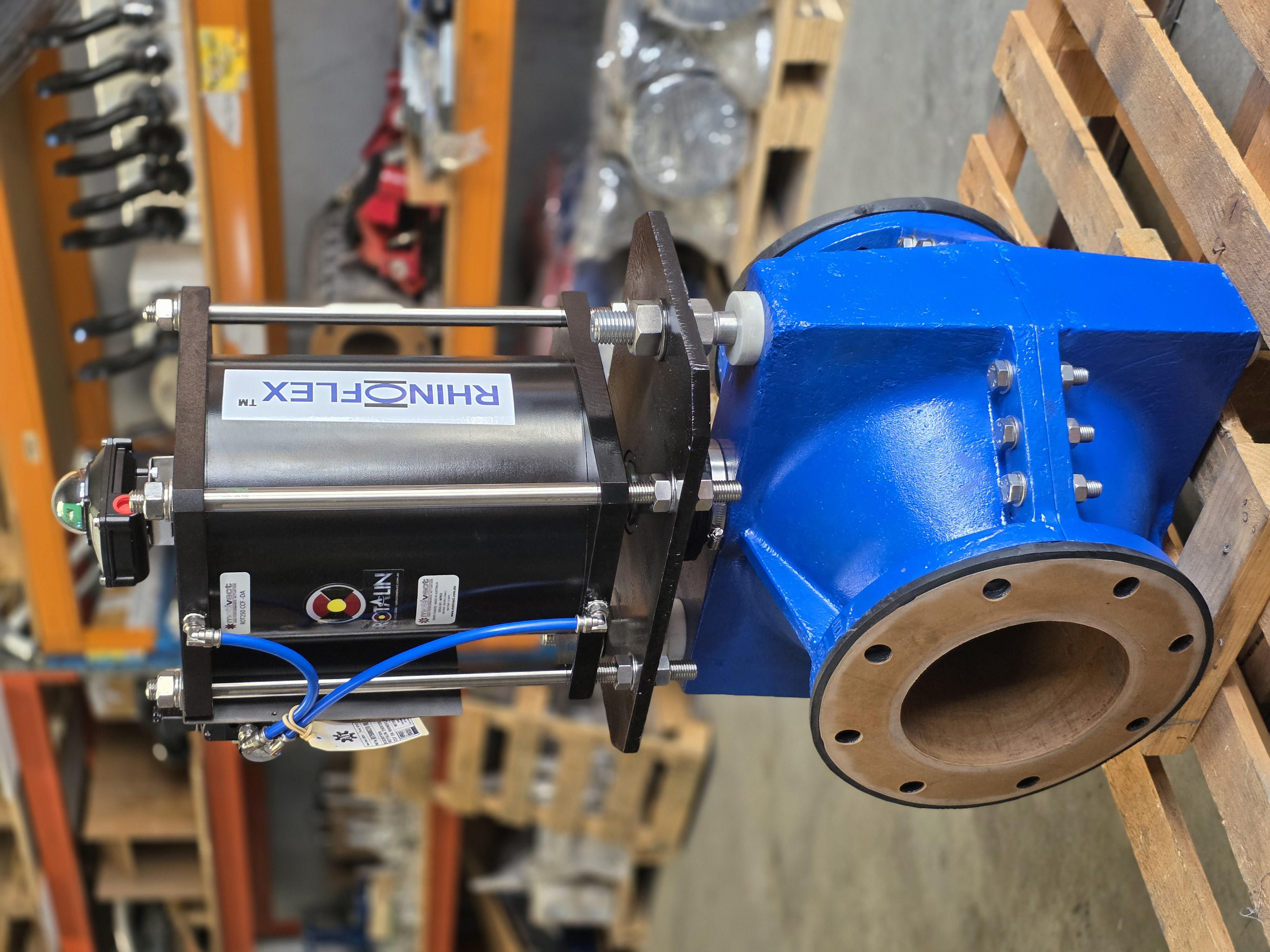
Pinch valves- engineered for abrasive applications
What is a pinch valve
A pinch valve is a type of which is full-bore and full flow valve in most isolation/on-off applications. It can also be used for control and modulating service, by having the sleeve pre-configured to a funnel or conical or variable orifice design, to allow varied flowrates into and out of the valve. The elastomeric(rubber) sleeve is the ONLY wetted part of the valve and is the heart of the pinch valve. This is because, the sleeve can be made from a variety of elastomers, engineered precisely to suit the properties of each application or flow media, and be designed and built to handle higher or lower pressure ratings, and flow volumes and velocities. This flexibility cannot be found with almost ANY other type of valve in the market today.
Pinch valves offer a bubble-tight shut off on slurries, solids, and for most abrasive materials, corrosive chemicals and powders. With each cycle of the valve sleeve, any build up inside the sleeve wall, flakes away and gets washed off and is self-cleaned in the process. The rubber sleeve always absorbs the impact from highly abrasive particles and provides a long wear life of the valve.
Pinch valves are mostly linear mechanical pinch operated valve that controls flow by pinching two mechanical bars between an internal flexible rubber sleeve. or an air jacketed body with pneumatic force around the sleeve, that works on differential pressure to close the valve. They provide an excellent seal, even when suspended solids are present in the media
When and why to use a Pinch Valve
Pinch valves are considered the best solution to isolate the flow of abrasive, corrosive, or high-solid content slurries, as well as for flow control applications in mining and pharmaceutical industries. They also provide a bi-directional tight shutoff even on suspended solids. Their main advantages include the 100% full-bore flow path that prevents clogging, and the low-maintenance and field replaceable sleeve. It can also be used for food and beverage grade applications ensuring zero contamination and dead spaces or crevices. These valves do not have any seats or seals, springs or sliding parts and are the simplest valve amongst all the valve types in the slurry valve range. The reduced maintenance costs are also a key reason to consider a pinch valve, because they often cost less than the exotic alloys and specialised trim in other types of valves, and are easily field replaced by changing out only one rubber sleeve.
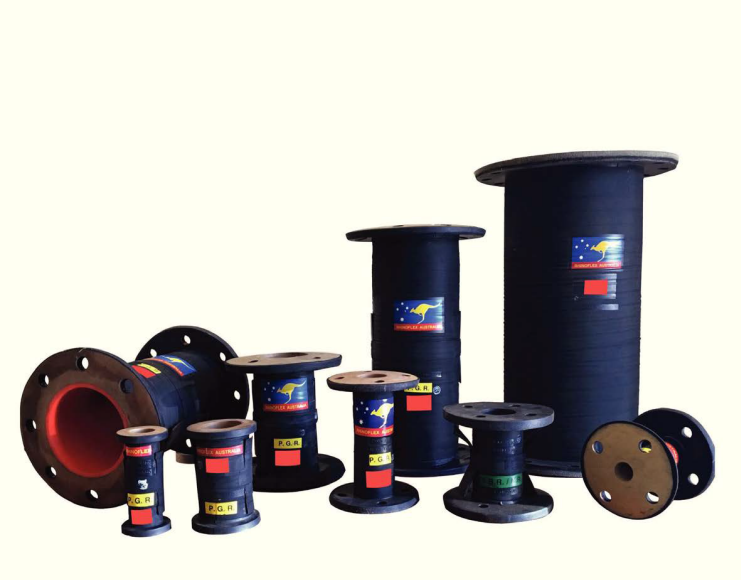
Pinch Valve Sleeves are designed with minimum friction and turbulence in mind and can outlast conventional valves because of their superior modern elastomer technology. Pinch Valve Sleeves are constructed much like a heavy-duty truck tyre, with bias-ply, fabric-reinforced rubber providing the structural support that the sleeve needs for performance and reliability. Total cost of ownership of these pinch valves is extremely favourable when compared to other valves for similar applications.
However, some disadvantages are the limited temperature range and operating pressures. Also, when replacing other valves, the pinch valve face to face is sometimes wider, and available space maybe an issue to consider.
Applications where pinch valves are used
Mining and Mineral processing, Steel plants- Tailings, flotation control, Thickener underflow lines, and many other slurry applications.
Power generation- FGD and SCRUBBER SYSTEMS, Coal handling
Wastewater treatment Plants- Lime, Carbon slurry, Sludge handling, Raw sewage, grit removal, Carbon slurry.
Chemicals and pharmaceuticals – Corrosive and abrasive powder and pellets